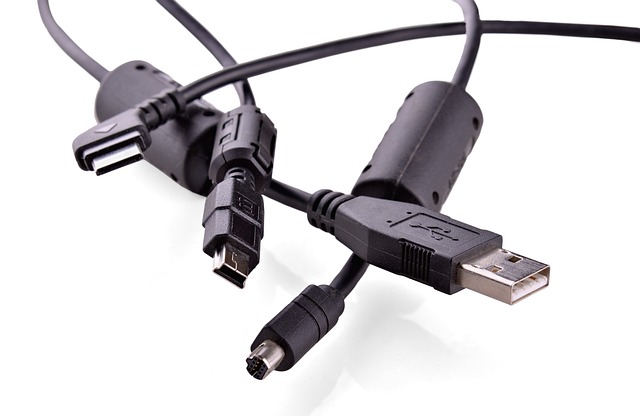
Every connector saves hours, reduces costs, and multiplies results
Modernization doesn’t always begin with a massive transformation project. Sometimes, it starts with a single, well-placed connection.
We recently worked with a client operating a logistics system that had been running reliably for over 15 years. Built in Clipper, the system handled critical day-to-day operations without failure. It was stable, trusted, and deeply embedded in the company’s workflow.
But as the business evolved, new demands emerged — and the system was never designed to meet them.
When reliability meets new demands
Over time, the company needed to integrate its legacy system with modern technologies:
Cloud services for scalability and accessibility
• External partner APIs for real-time data exchange
A modern MySQL-based logistics platform
These requirements are common in today’s digital environment. The challenge is that older systems were built in a different era — one where connectivity was not a priority.
As a result, the company found itself at a crossroads: a reliable system that worked perfectly… but couldn’t communicate with the outside world.
The two usual — and problematic — paths
Like most organizations in this situation, the initial options seemed limited and far from ideal:
Rewriting the entire system — a project estimated to take 12 to 18 months, with high costs and significant risk
Keeping the system as-is — relying on manual processes to move data between platforms
Both options came with clear downsides. One was expensive and disruptive. The other was inefficient and unsustainable.
"When integration is missing, inefficiency becomes part of the process."
A third path: connection instead of replacement
Instead of choosing between risk and stagnation, we proposed a different approach: build a connector layer around the existing system.
This layer allowed the Clipper application to communicate directly with modern cloud APIs — without altering its core structure. No invasive changes. No need to rewrite decades of business logic.
The implementation was fast, focused, and designed to deliver immediate value.
Results in weeks, not years
In just a few weeks, the impact was clear:
- Data started flowing automatically to the cloud platform
- Manual processes were eliminated
- Integration with external services became seamless
- The legacy system continued operating exactly as before — stable and reliable
What once required human intervention became fully automated. What was once isolated became connected.
Modern capabilities, preserved foundation
The outcome was powerful: a 15-year-old system communicating with modern cloud services as if it had been designed for today’s digital ecosystem.
No risky rewrite. No operational disruption. No unnecessary complexity.
Most importantly, the investment required was only a fraction of what a full system replacement would have cost — making the decision not only technically sound, but financially strategic.
The real lesson behind modernization
There is a common misconception that legacy systems must be replaced to enable innovation. In reality, most of them already contain what businesses need: proven processes, stability, and years of refinement.
What they lack is not capability — it’s connectivity.
With the right bridge, these systems can become part of a modern, scalable, and integrated environment.
And that’s where real modernization happens.
Build bridges, not barriers
Every connector implemented is more than a technical solution — it’s a strategic move. It saves time, reduces operational costs, and unlocks new possibilities for growth.
Legacy systems rarely need to be replaced. Most of the time, they just need the right bridge to the modern world.
Because in the end, the smartest transformation is not about starting over — it’s about moving forward with what already works.